Quick Summary
- Boredom, anxiety and under-exercise look similar but need different fixes, so working out which one you’re dealing with matters
- Enrichment has five categories: food puzzles, scent work, chew, social and physical, and most dogs need a mix of all five
- DIY enrichment works just as well as shop-bought, using things like muffin tins, towels and cardboard boxes
- Not every chew is safe, so check size, hardness and supervision before you hand it over
- Rotate toys weekly rather than leaving everything out at once, this keeps novelty high without spending more
A bored dog and an anxious dog can look almost identical from the sofa: pacing, chewing the skirting board, barking at nothing. Treat the wrong one with the wrong fix and you can make things worse, not better. This guide walks through how to tell the difference, then gives you a proper toolkit of enrichment ideas that actually address the cause, from cheap DIY projects to safe chewing choices and how to adapt enrichment when your dog is stuck resting after an injury.
Is Your Dog Bored, Anxious or Under-Exercised?
These three states get lumped together as “naughty dog” behaviour, but they come from different places and respond to different solutions. Getting this right saves you buying the wrong toy and wondering why nothing changes.

| Sign | Boredom | Anxiety | Under-exercise |
|---|---|---|---|
| Timing | Happens when left alone with nothing to do, calm otherwise | Often starts before you leave, or is worst in the first 30 minutes alone | Builds through the day, worse on days without a walk |
| Chewing/destruction | Targeted at accessible, interesting objects | Often focused on doors, windows or exit points | Restless, general, includes pacing and zoomies |
| Vocalising | Occasional, stops once occupied | Persistent whining, howling or barking, hard to distract from | Attention-seeking barking, often resolves after exercise |
| Body language | Relaxed once engaged with a toy or task | Panting, drooling, trembling, toileting indoors despite being house-trained | High energy, jumping, mouthing, struggles to settle |
If you recognise the anxiety pattern, particularly signs around you leaving the house, this is worth reading properly rather than guessing. The RSPCA has a clear guide to separation-related behaviour in dogs, and if signs are severe or your dog is distressed, speak to your vet before trying to solve it with toys alone. Enrichment helps genuine boredom and under-exercise enormously. It is not a substitute for treating anxiety.
The Five Categories of Enrichment
Most dogs are given one type of enrichment, usually a chew toy, and nothing else. A well-rounded routine mixes categories through the week so different senses and instincts get used.
Food puzzles
Anything that makes your dog work for their food rather than eating from a flat bowl. This can turn a 30-second meal into ten minutes of problem-solving. Start easy so your dog does not give up, then increase difficulty.
Scent work
Dogs experience the world through their nose far more than we do. Scattering kibble in the garden, hiding treats around a room, or laying a simple treat trail taps into this and is genuinely tiring for a dog’s brain, often more so than a walk.
Chew
Chewing is a natural, calming behaviour, not just something puppies do. The right chew relieves tension and boredom. See the safety section below before choosing one.
Social
Interactive play with you, tug games, training sessions, or supervised play with another dog. Social enrichment builds the bond and is often the most overlooked category because it requires your time rather than a purchase.
Physical
Walks, fetch, swimming, agility-style play in the garden. Physical enrichment matters, but on its own it is not enough for most breeds, particularly working and herding types who need their brains occupied as much as their legs.
The RSPCA’s guidance on creating a good home for your dog covers this balance well, and is worth reading if you want the welfare reasoning behind why variety matters, not just the “how to”.
DIY Enrichment Ideas Using Things You Already Own
You do not need to spend money to enrich your dog’s day. Some of the most effective enrichment uses items already in the recycling.
- Muffin tin puzzle: drop treats into the wells and cover each with a tennis ball your dog has to move
- Towel roll: scatter kibble across a towel, then roll it up loosely so your dog has to unroll it
- Cardboard box scatter feed: hide treats inside a box stuffed with scrunched paper (supervise so cardboard is not swallowed)
- Egg box search: place treats in the cups of an empty egg box and let your dog work them out with their nose
- Frozen Kong: stuff with a small amount of plain food such as mashed banana or wet food and freeze, this extends chewing and licking time considerably
- Washing line treat trail: peg treat-stuffed socks along a low line for a supervised sniff-and-jump game outdoors
Always supervise DIY enrichment involving cardboard, string or small parts, and remove anything that is being chewed apart rather than played with.
Safe Chewing: What to Give and What to Avoid
Not all chews are equal, and the wrong one can cause a broken tooth, an obstruction, or worse. This is one area where it genuinely pays to check before you buy.

| Generally considered safer, with supervision | Avoid or use only with veterinary guidance |
|---|---|
| Rubber chew toys designed to flex under bite pressure | Real bones, cooked or raw, which can splinter or fracture teeth |
| Frozen, food-stuffed Kong-style toys | Antlers and very hard synthetic chews, a common cause of broken teeth |
| Appropriately sized dental chews from a reputable brand | Cheap rawhide of unknown origin, a choking and blockage risk |
| Rope toys for supervised tug, removed once frayed | Sticks picked up outdoors, which can splinter and cause mouth injuries |
The Kennel Club’s advice on chewing behaviour is a good starting point for matching a chew to your dog’s age and stage. If your dog has any dental issues, a known history of gulping objects, or you are unsure a chew is appropriate for their size, ask your vet before offering it.
Keep It Fresh: Rotating Toys Properly
Dogs habituate to toys that are always available, the same way we stop noticing a picture on the wall after a while. Rotation solves this without buying anything new.
- Keep 4 to 6 toys in circulation, split into two or three small sets
- Put one set away completely for a week, then swap it back in
- Put away, rather than leave out, any toy your dog has lost interest in, novelty on reintroduction is often better than novelty on first purchase
- Pair rotation with the DIY ideas above so “new” does not always mean “bought”
PDSA’s guide to choosing dog-friendly toys is a useful reference if you are building a rotation set from scratch, particularly on sizing toys correctly for your dog’s jaw strength.
Match Enrichment to Your Dog’s Breed Drive
A working cocker spaniel and an elderly greyhound do not need the same enrichment plan. Breed background is a strong clue to which category of enrichment will land best, even in a thoroughly mixed-breed dog.
| Breed group / drive | What tends to work well |
|---|---|
| Scent hounds (beagles, bassets) | Scent work, treat trails, snuffle mats, garden scatter feeding |
| Herding breeds (collies, shepherds) | Structured training games, puzzle feeders, controlled fetch with clear start and stop cues |
| Terriers | Digging boxes, tug, find-it games with toys hidden around the house |
| Gundogs and retrievers | Retrieve games, water play where safe, carrying toys around the house or garden |
| Toy and companion breeds | Social enrichment, short training bursts, gentle puzzle feeders |
If your dog was chosen without much thought to breed drive, or you are working out what your own dog needs, our essential dog accessories checklist covers the basics every household needs before layering in breed-specific extras.
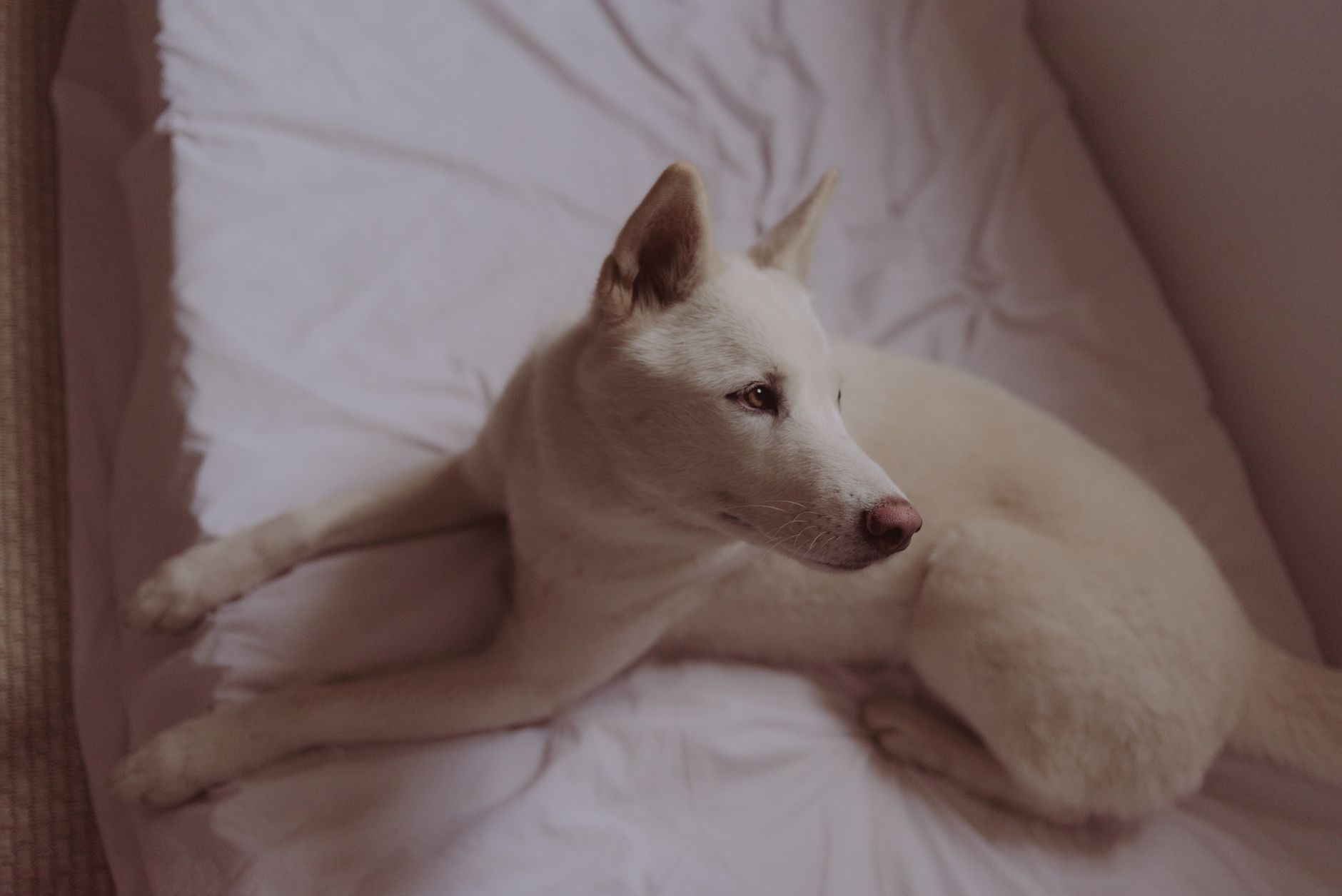
Enrichment for Dogs on Crate Rest or Recovering from Injury
Vet-directed rest after surgery or injury is one of the hardest periods to get enrichment right, because normal physical outlets are off the table, sometimes for weeks. A bored, cooped-up dog on crate rest can also be more likely to re-injure themselves through frustrated movement, so calm mental enrichment matters more than usual here.
- Lick mats and frozen Kongs work well because they are low movement but high engagement
- Gentle scent games using a blanket with treats scattered on top, done within the crate or pen
- Short, calm training sessions using hand signals or simple cues, kept low-energy
- Slow-fed meals using a puzzle bowl rather than a flat one, adding time without adding movement
- A view out of a window or door, so there is something to watch rather than blank walls
Always follow your vet’s specific instructions on activity level during recovery, and check with them before introducing any new toy or chew during a recovery period. If your dog’s usual play style involves a harness for walks once they are cleared to return to exercise, our dog harness fitting guide is worth reading ahead of that first walk back.
If you share your home with a cat as well as a dog, indoor cats need their own designed enrichment plan for very similar reasons, even though the triggers and play style differ. Our guide to indoor cat enrichment covers vertical space, hunting sequences and scratching in detail.
Frequently Asked Questions
How much enrichment does a dog need each day?
There is no fixed number, but most dogs benefit from at least one dedicated enrichment activity daily alongside their normal walk, ideally from a different category each day. Watching your dog’s engagement is a better guide than a strict schedule.
Can too much enrichment overstimulate a dog?
Yes, some dogs can become wound up rather than settled if given constant novelty with no downtime. Balance active enrichment with calm activities like licking and chewing, and allow proper rest between sessions.
Is a bored dog the same as a destructive dog?
Not always. Destruction can stem from boredom, anxiety, teething in young dogs, or a medical issue such as pain. If destructive behaviour is sudden, severe or paired with other symptoms, speak to your vet to rule out a medical cause first.
Are puzzle feeders safe for all dogs?
Most healthy dogs cope well with puzzle feeders, but choose one matched to your dog’s size and problem-solving experience, and avoid them for dogs with a history of resource guarding around food unless a vet or behaviourist has advised otherwise.
My dog ignores new toys within minutes, what should I do?
Try rotation rather than replacement. Many dogs lose interest because a toy is permanently available, not because the toy itself has failed. Also check the toy actually matches your dog’s drive, a chew toy will not interest a scent-driven dog for long.