Quick Summary
- Pulling is normal, not naughty: it comes from opposition reflex, past reinforcement and excitement, not defiance
- Equipment helps, it does not fix it: a front-clip or dual-clip harness makes pulling less rewarding, but training does the real work
- Core method: stop the moment the lead goes tight, reward the moment it slackens, repeat
- Avoid aversives entirely: choke chains, prong collars and yanking are opposed by UK welfare bodies and can cause physical and behavioural harm
- Expect weeks, not one walk: short, frequent, low-distraction sessions beat occasional long ones
Pulling on the lead is the single most common complaint UK dog owners have about walks, and it is rarely solved by buying a different lead. It is solved by understanding why dogs pull in the first place, then training the behaviour you actually want, step by step, in short sessions, with the right equipment supporting the process rather than replacing it.
This guide covers why dogs pull, which equipment genuinely helps, a step-by-step loose-lead method you can start today, and what to do if your dog is reactive or overly aroused on walks rather than simply keen to get somewhere.
Why Dogs Pull on the Lead
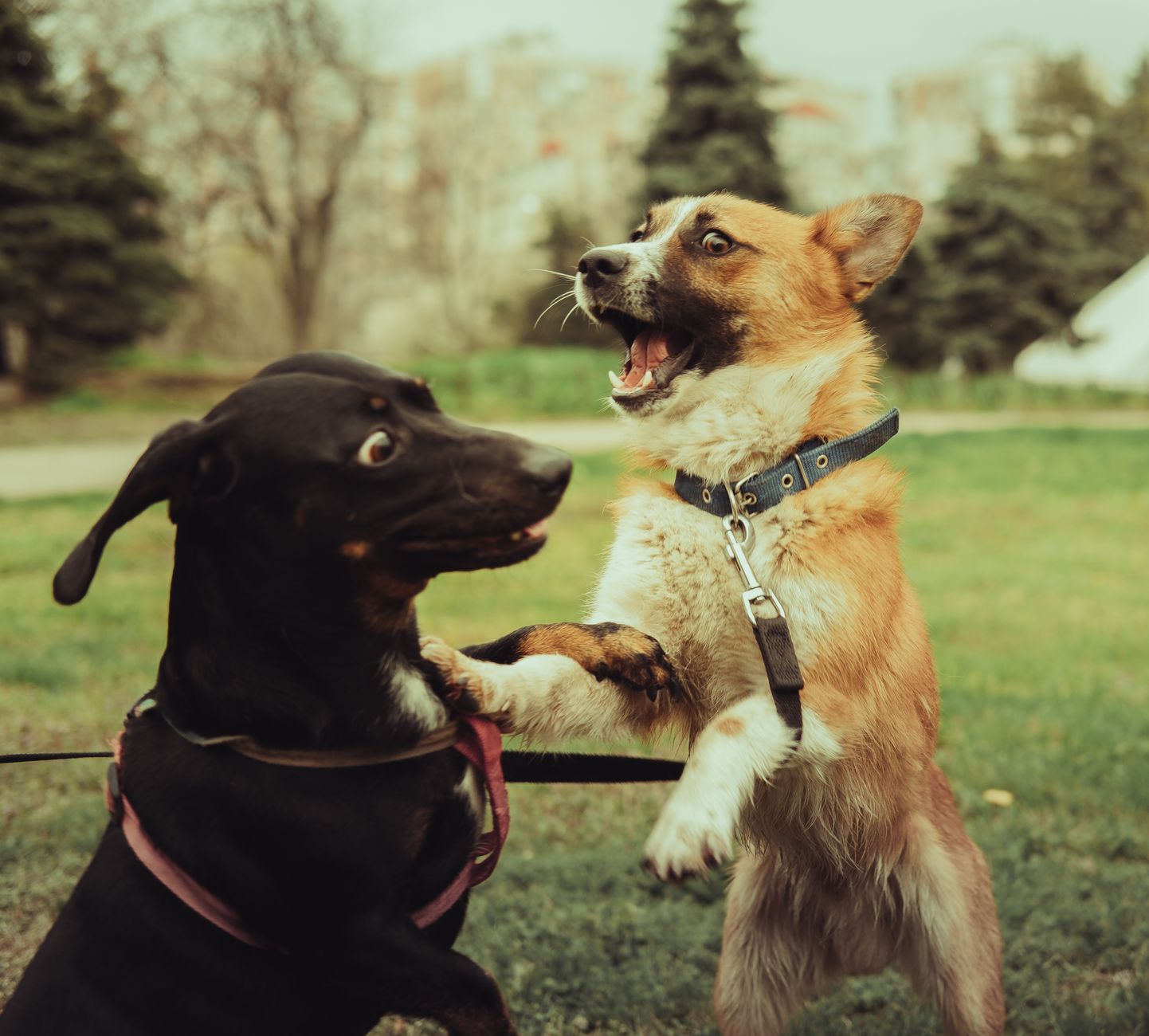
Opposition reflex
Dogs have an instinctive tendency to push back against pressure. When a lead tightens against their chest or neck, many dogs instinctively lean or push forward into it rather than away from it. This is a physical reflex, not a decision, which is part of why pulling harder on the lead in response tends to make things worse.
Reinforcement history
Every time pulling gets a dog somewhere faster, whether that is reaching a smell, another dog, or simply moving forward, the behaviour is rewarded. Dogs repeat what works. If pulling has been getting results for months or years before you start training, expect it to take consistent practice to unlearn.
Arousal and excitement
A dog who is under-exercised, over-excited, or walking through a high-distraction environment will pull more than a calm, well-exercised dog in a quiet space. Arousal narrows a dog’s ability to focus and listen, which is why training a new behaviour works best in low-distraction settings first.
Equipment That Helps vs Hinders
No piece of equipment trains a dog by itself, but some genuinely make training easier and some work against you.
| Equipment | Effect |
|---|---|
| Front-clip or dual-clip harness | Helps. Redirects the dog slightly to the side when they pull, making pulling less physically rewarding and easier to interrupt |
| Back-clip-only harness | Neutral to unhelpful for confirmed pullers. Pulling into a back ring is a comfortable, stable position for many dogs |
| Flat collar alone | Unhelpful for pulling dogs. All the force lands on the neck, which is also a welfare concern for brachycephalic breeds |
| Choke, slip, or prong collars | Avoid. Opposed by UK welfare organisations; can cause physical injury and behavioural fallout, covered below |
For help choosing and correctly fitting a front-clip or dual-clip harness, see our companion guide on how to measure and fit a dog harness. A sturdy lead and well-fitted harness are two of the basics on our dog owner essentials checklist.
Step-by-Step Loose-Lead Training
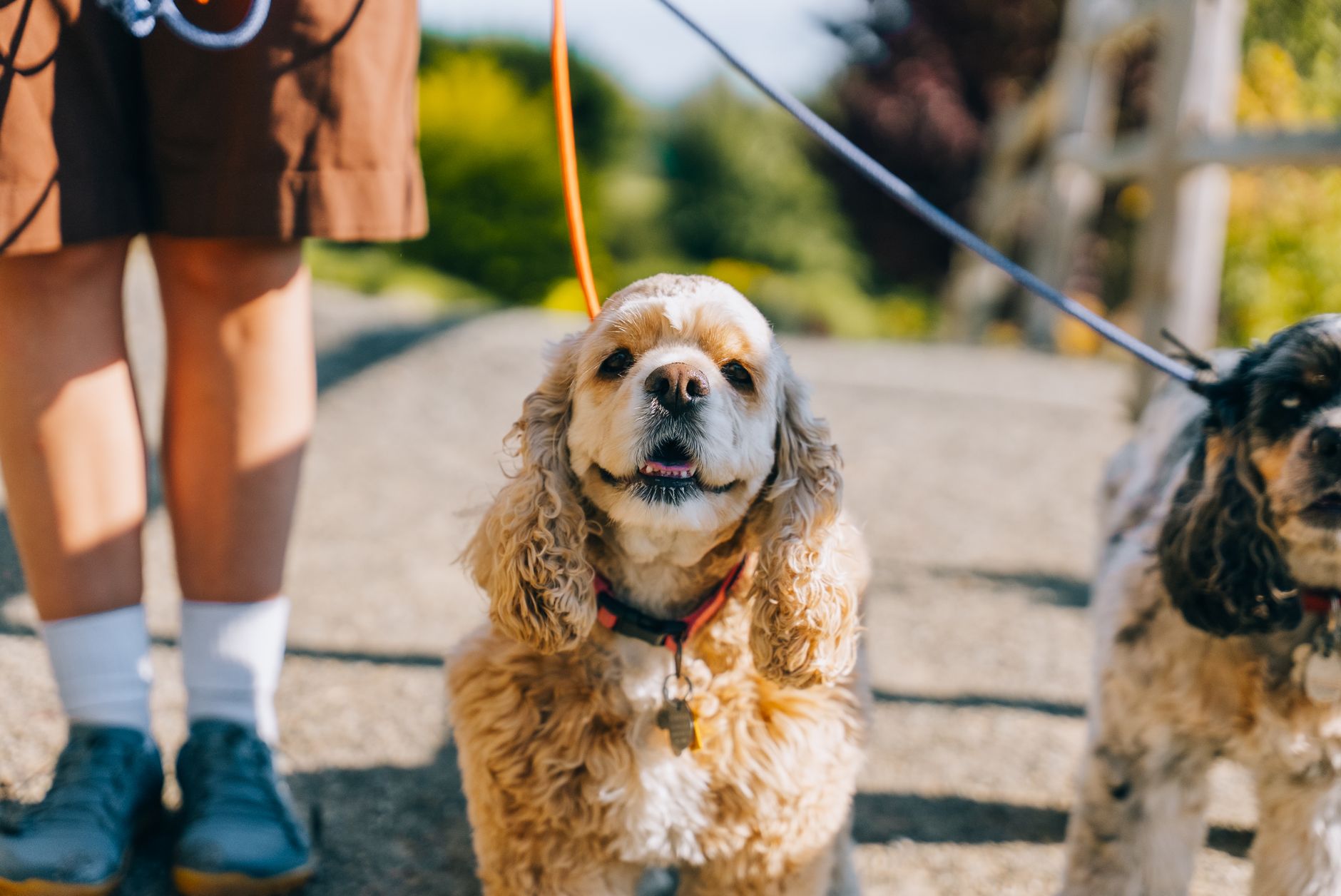
Step 1: Set up for success
Start indoors or in your garden before you ever try this on a real walk. Bring small, high-value treats and let your dog burn off some initial energy first, since a dog who is already tired will find it easier to focus. The Kennel Club’s lead training guidance makes the same point: you want a dog who does not pull, so you do not start by pulling first.
Step 2: The stop-start method
Clip the lead on and start walking. The instant the lead goes tight, stop moving completely. Do not pull back and do not say anything, simply become a statue. Wait for your dog to turn back towards you or for the lead to slacken, then reward and continue walking. This is the core technique PDSA recommends: stop as soon as pulling starts, never pull the lead back, and only move again once the lead is slack.
Step 3: Change direction
Once stop-start is working, add direction changes. If your dog surges ahead, calmly turn and walk the other way without warning. Your dog learns that keeping an eye on you, rather than charging ahead, is what keeps the walk moving in a direction they want to go.
Step 4: Reward the position you want, then fade the treats
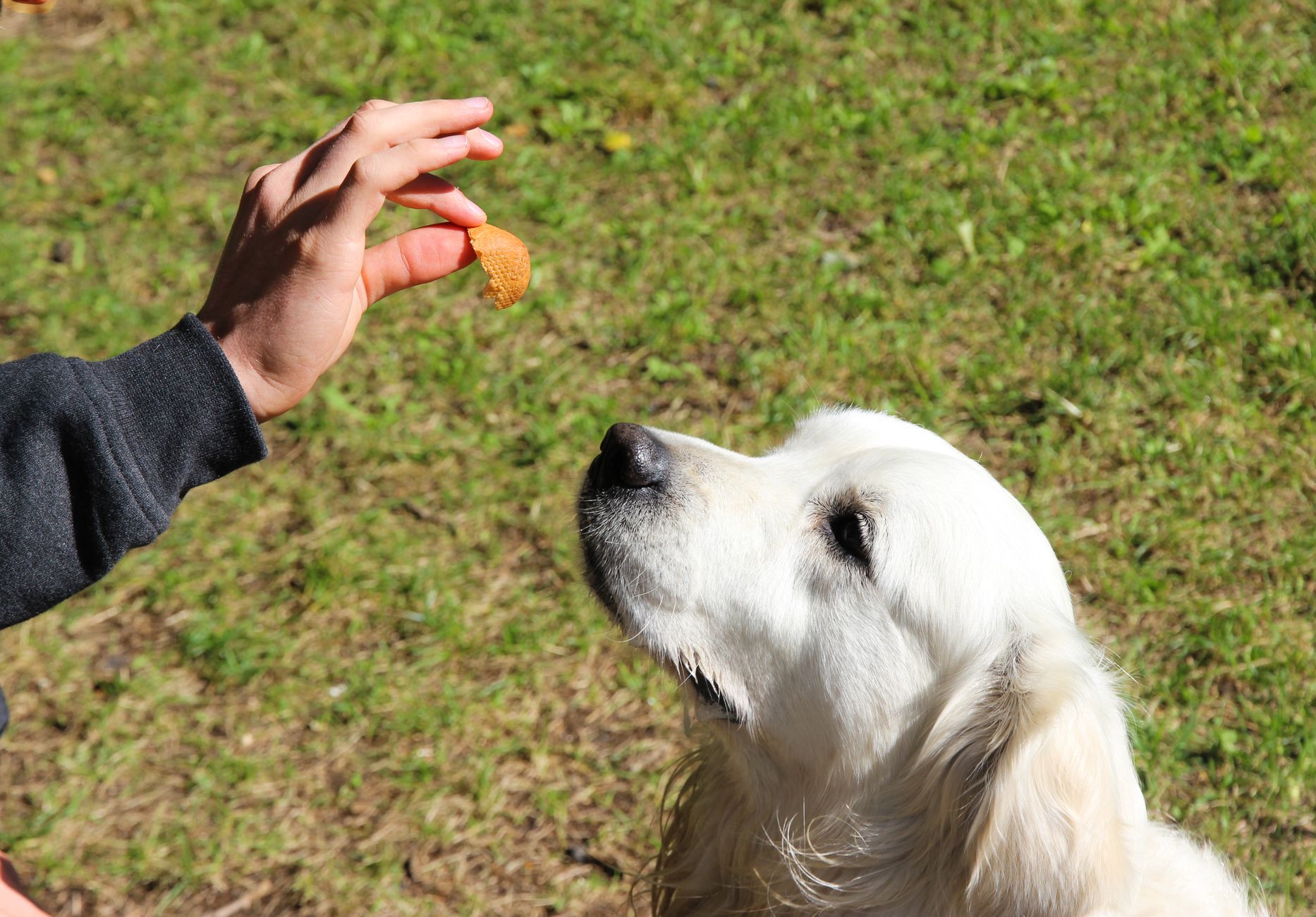
Reward your dog generously for walking beside you with a loose lead, not just for correcting a pull. Once the behaviour is reliable in easy settings, gradually reduce how often you treat, replacing food with praise, while keeping the same criteria for what earns a reward.
Session Length and Realistic Timelines
Short, frequent sessions beat long, infrequent ones. A few minutes of focused loose-lead practice at the start of a walk, repeated on most walks, builds the habit faster than one long training walk a week. Progress is rarely a straight line: a dog who walks nicely in the garden may revert to pulling the first time they are back on a busy pavement, and that is a normal part of generalising the skill to new environments, not a sign the method has failed. Stay consistent and be patient with the process; most owners see it as a matter of weeks of regular practice rather than a single session.
What NOT to Do
Skip any equipment or method built around causing discomfort or pain to stop pulling. The RSPCA is explicit about prong and choke collars: repeated pressure from collars like these can cause inflammation, and in more serious cases has been linked to injuries to the neck and throat. Beyond the physical risk, punishing a dog for pulling can create fear or confusion rather than teaching the behaviour you actually want, and a dog corrected near a trigger, such as another dog or a child, can start to associate that trigger with the correction rather than with their own behaviour.
The RSPCA’s broader training advice is consistent on this point: use reward-based methods, and avoid any class or trainer that relies on fear, pain, choke chains, shouting or hitting. If you are looking for professional help, choose a reward-based trainer or clinical animal behaviourist rather than anyone offering a quick fix through correction.
Troubleshooting Reactive or Over-Aroused Dogs
Some dogs pull not because they are keen to get somewhere, but because they are reacting to something, another dog, a person, traffic, or a specific trigger. This is a different problem to ordinary pulling and needs a different approach:
- Increase distance from the trigger first. A reactive dog cannot learn or calm down while over threshold, so create space before attempting any training.
- Avoid trigger stacking. Multiple stressful encounters in one walk make each subsequent one harder to manage. Shorter, calmer walks can achieve more than one long, difficult one.
- Rule out pain. A dog who suddenly starts pulling, lunging or struggling to settle on lead when they previously walked well is always worth a vet check, since discomfort and pain can present as behaviour change. Speak to your vet if this describes your dog.
- Get professional support. A qualified, reward-based behaviourist can build a structured plan for reactivity that goes beyond general loose-lead training.
For dogs who are pulling out of sheer excess energy rather than reactivity, tackling the root cause with more structured exercise and mental stimulation between walks can help too. Our guide to dog boredom and enrichment has practical ideas for burning off energy at home.
Frequently Asked Questions
Why does my dog pull more on some walks than others?
Arousal and distraction levels change walk to walk. A busy park, another dog, or high excitement from being cooped up all day will increase pulling even in a dog who is generally improving. This is normal and not a sign training has failed.
Is it okay to use a harness instead of training?
A good harness makes pulling less rewarding and easier to manage, but it will not teach your dog to walk nicely on its own. Pair equipment with the stop-start and reward-based methods above for lasting results.
How long does it take to stop a dog pulling?
It varies by dog, by how long the pulling habit has been reinforced, and by how consistently you practise. Expect a gradual improvement over several weeks of short, regular sessions rather than a fix in a single walk.
Should I use a slip lead or choke chain to stop pulling?
No. UK welfare organisations, including the RSPCA, advise against choke, slip and prong collars because of the risk of physical injury and behavioural harm. Use a well-fitted front-clip or dual-clip harness alongside reward-based training instead.
My dog pulls towards other dogs specifically. Is that the same problem?
Not necessarily. Pulling towards a specific trigger, such as other dogs, can indicate frustration or reactivity rather than general excitement. If this describes your dog, work at a greater distance from other dogs and consider support from a reward-based behaviourist.
Can puppies start loose-lead training straight away?
Yes, and earlier is easier. Start indoors with short, positive sessions once your puppy is comfortable wearing a collar or harness, well before their pulling habits, if any, become established.